
Back Pain: How Osteopathy Can Help
Back pain is one of the most common reasons people seek osteopathic care. Whether your discomfort is a dull ache or a chronic lower‑back issue, an osteopath will assess how your joints, muscles and posture are working together. Through gentle manipulations, soft‑tissue massage and tailored exercises, osteopathy aims to reduce tension, improve movement and support the body’s healing processes. You’ll also receive advice on posture and core strengthening to help prevent the pain returning.
5 Simple Stretches Every Commuter Should Know
The Commuter’s Dilemma: Why Sitting Hurts
Many of us spend hours each week commuting to and from work. Whether you drive, take the train or cycle, long periods of sitting can lead to stiffness, aches and reduced circulation. When your hips, back and neck stay in one position for too long, the muscles tighten and your joints get less lubrication. Over time, this can contribute to discomfort and even pain.
5 Easy Stretches You Can Do Anywhere
- Neck Stretch – Sit or stand up tall. Gently tilt your head towards one shoulder, feeling a stretch along the opposite side of your neck. Hold for 10–15 seconds, then repeat on the other side.
- Shoulder Roll – Roll your shoulders backwards in a slow, circular motion 10 times, then forwards 10 times. This helps release tension in your upper back and shoulders.
- Hip Flexor Stretch – Step one foot forward into a lunge position. Gently push your hips forward until you feel a stretch in the front of your back leg. Hold for 15 seconds and switch sides.
- Hamstring Stretch – While seated, extend one leg in front with your heel on the floor. Lean forward from your hips with a straight back until you feel a stretch along the back of your thigh. Hold for 15 seconds and switch sides.
- Ankle Circles – Lift one foot off the ground and gently rotate your ankle clockwise 10 times, then anticlockwise 10 times. This promotes blood flow and keeps your ankles mobile.
Local Tip: Making Your Commute Healthier in Kettering & Corby
If you travel between Kettering and Corby, consider breaking up longer journeys. Park a little further away and walk the remaining distance, or take a short standing break on the train. A small change like carrying a reusable water bottle can also remind you to stay hydrated, which helps keep muscles supple.
How Osteopathy May Help Regular Commuters
Osteopathy focuses on the musculoskeletal system – your muscles, bones, joints and ligaments. Commuters often develop patterns of tension from sitting, reaching or gripping the steering wheel. Gentle osteopathic techniques may help ease tight muscles and restore joint mobility. Many patients feel improved comfort and flexibility after treatment.
Book an Appointment or Get Advice
If you’re feeling the effects of long commutes, don’t ignore your body’s signals. At Taylor Osteopathy in Kettering, we work with many local commuters to help them feel better and stay active. We’re happy to chat about your specific situation and discuss whether osteopathy might support you.
Final Thoughts
Commuting is an unavoidable part of life for many of us, but pain and stiffness don’t have to be. With a few simple stretches and mindful habits, you can keep your body moving and reduce discomfort. Combined with regular osteopathic care if needed, you’ll be well on your way to a healthier, happier commute.
Desk Job Strains: How Osteopathy May Help Office Workers in Kettering
If you spend long hours at a desk, you’re not alone. Many office workers in Kettering and Corby sit for much of the day — often glued to a chair and a computer screen. While desk jobs may sound physically easy, they can take a surprising toll on your body. From stiff necks to aching lower backs, these strains are one of the most common reasons people visit an osteopath.
The Hidden Impact of Desk Jobs
Spending all day sitting can cause a variety of issues:
- Poor posture: Slouching, leaning on one arm, or craning toward a screen puts uneven pressure on the spine.
- Muscle weakness: Sitting deactivates the core and glute muscles, forcing the back to support more weight.
- Neck and shoulder tension: Hunching over a laptop tightens the muscles at the base of the skull and across the shoulders.
- Reduced circulation: Remaining in one position for long stretches leaves the body feeling stiff and heavy.
The Local Picture in Kettering
Kettering is home to many offices, business parks, and commuters. It’s not uncommon to hear from patients who spend the workday seated and struggle with tightness or discomfort by the afternoon. Many people are still working from home and may not have optimal ergonomic setups, which adds to the problem.
Simple Tips for Healthier Desk Working
The good news is that small adjustments can make a big difference:
- Adjust your workstation so that your screen is at eye level and your elbows are at 90 degrees. Consider a separate keyboard and mouse if you use a laptop.
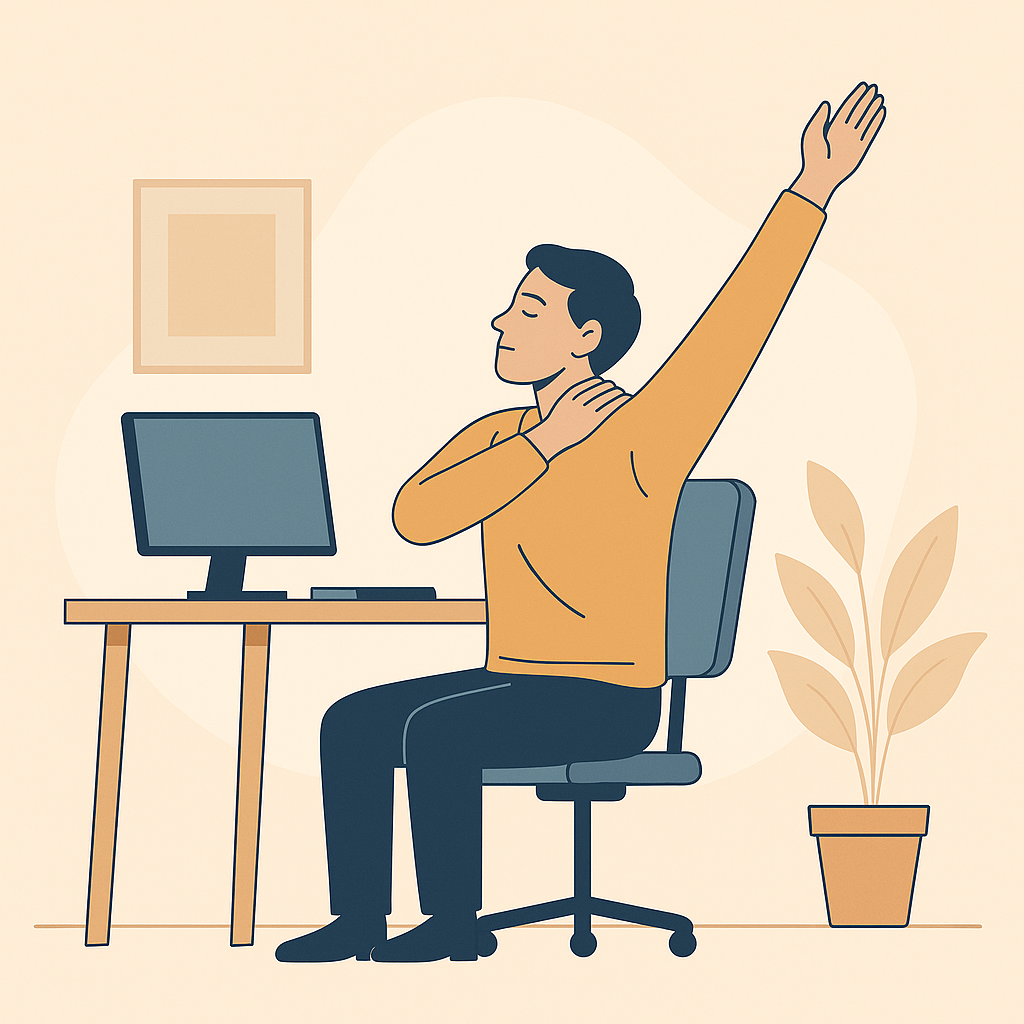
- Take regular breaks every 30–60 minutes to stand, stretch, and move around.
- Incorporate simple stretches — shoulder rolls, neck rotations, and gentle twists can relieve tension.
- Stay hydrated to support circulation and muscle function.
How Osteopathy May Help Office Workers
Osteopathy is a holistic, hands-on approach to supporting the musculoskeletal system. During an appointment, an osteopath may help relieve tension, improve joint mobility, and suggest strategies for better posture. Many office workers find that osteopathic treatment helps them feel more comfortable and better able to cope with long days at the desk.
What to Expect at Your Appointment
When you visit an osteopath, you’ll discuss your health history and symptoms. The osteopath will assess your posture and movement, then provide gentle hands-on techniques. You’ll also receive advice on exercises and desk setup to help maintain your progress.
Local Support in Kettering
At Taylor Osteopathy, we regularly see office workers from Kettering, Corby, and the wider Northamptonshire area. If your job is giving you a pain in the neck (literally), we’re here to help. Our friendly team can work with you to address desk-related aches and provide practical advice to keep you comfortable.

Recent Comments