
Gardening Season: How to Protect Your Back and Muscles
Why Proper Technique Matters
Spring and early summer bring longer days and the urge to get outside. Preparing beds, digging out weeds or lifting heavy pots can put a lot of strain on your back, shoulders and knees. Osteopaths often see patients with minor strains, general aches and back pain that start in the garden. By adopting good habits early in the season, you can enjoy your time outdoors wthout putting unnecessary stress on your body.
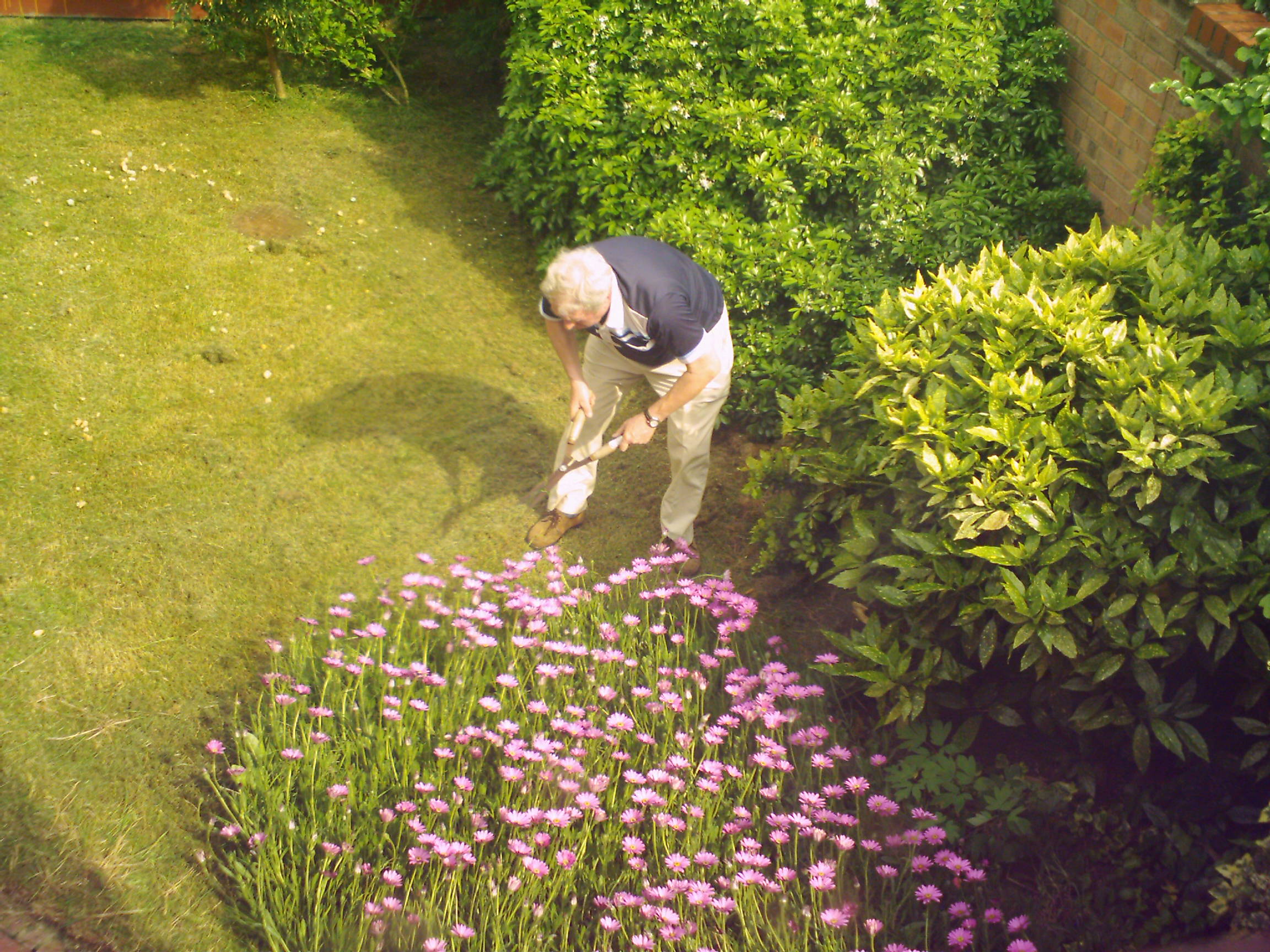
Tips for Safe Gardening
- Warm up first: Treat gardening like any other physical activity. Do a few gentle stretches and shoulder rolls to warm up your joints and muscles.
- Use the right tools: Long‑handled tools let you work while keeping your back straighter. A kneeling pad can take pressure off your knees when planting or weeding.
- Mind your posture: Bend your knees and hinge at the hips when lifting pots or bags of compost, keeping the load close to your body. Avoid twisting – instead, move your feet to face the task.
- Take regular breaks: Alternate between heavy and light tasks and stand up and stretch every 20–30 minutes. Long periods in one position can lead to stiffness and generalised aches.
- Stay hydrated and pace yourself: Warm weather and physical work can tire you quickly. Listen to your body and stop if you feel pain rather than pushing on.
How Osteopathy May Help
Even with the best preparation, gardening can sometimes result in backache, joint pains or muscle spasms. Osteopathy focuses on the body’s structure – muscles, joints, ligaments and connective tissues – and aims to relieve tension and improve mobility through gentle manual techniques. During an appointment we assess how your body moves and may suggest exercises or advice on posture to support your recovery and help you return to the garden comfortably.
Local Support in Kettering
Our clinic in Kettering supports gardeners from the town and the nearby Corby area. If you’ve developed aches or minor strains from garden work, we’d be happy to discuss how a personalised treatment plan may help you feel better. As always, if you have severe or persistent pain, consult your GP or osteopath.
