Back Pain: How Osteopathy Can Help
Back pain is one of the most common reasons people seek osteopathic care. Whether your discomfort is a dull ache or a chronic lower‑back issue, an osteopath will assess how your joints, muscles and posture are working together. Through gentle manipulations, soft‑tissue massage and tailored exercises, osteopathy aims to reduce tension, improve movement and support the body’s healing processes. You’ll also receive advice on posture and core strengthening to help prevent the pain returning.
5 Simple Stretches Every Commuter Should Know
The Commuter’s Dilemma: Why Sitting Hurts
Many of us spend hours each week commuting to and from work. Whether you drive, take the train or cycle, long periods of sitting can lead to stiffness, aches and reduced circulation. When your hips, back and neck stay in one position for too long, the muscles tighten and your joints get less lubrication. Over time, this can contribute to discomfort and even pain.
5 Easy Stretches You Can Do Anywhere
- Neck Stretch – Sit or stand up tall. Gently tilt your head towards one shoulder, feeling a stretch along the opposite side of your neck. Hold for 10–15 seconds, then repeat on the other side.
- Shoulder Roll – Roll your shoulders backwards in a slow, circular motion 10 times, then forwards 10 times. This helps release tension in your upper back and shoulders.
- Hip Flexor Stretch – Step one foot forward into a lunge position. Gently push your hips forward until you feel a stretch in the front of your back leg. Hold for 15 seconds and switch sides.
- Hamstring Stretch – While seated, extend one leg in front with your heel on the floor. Lean forward from your hips with a straight back until you feel a stretch along the back of your thigh. Hold for 15 seconds and switch sides.
- Ankle Circles – Lift one foot off the ground and gently rotate your ankle clockwise 10 times, then anticlockwise 10 times. This promotes blood flow and keeps your ankles mobile.
Local Tip: Making Your Commute Healthier in Kettering & Corby
If you travel between Kettering and Corby, consider breaking up longer journeys. Park a little further away and walk the remaining distance, or take a short standing break on the train. A small change like carrying a reusable water bottle can also remind you to stay hydrated, which helps keep muscles supple.
How Osteopathy May Help Regular Commuters
Osteopathy focuses on the musculoskeletal system – your muscles, bones, joints and ligaments. Commuters often develop patterns of tension from sitting, reaching or gripping the steering wheel. Gentle osteopathic techniques may help ease tight muscles and restore joint mobility. Many patients feel improved comfort and flexibility after treatment.
Book an Appointment or Get Advice
If you’re feeling the effects of long commutes, don’t ignore your body’s signals. At Taylor Osteopathy in Kettering, we work with many local commuters to help them feel better and stay active. We’re happy to chat about your specific situation and discuss whether osteopathy might support you.
Final Thoughts
Commuting is an unavoidable part of life for many of us, but pain and stiffness don’t have to be. With a few simple stretches and mindful habits, you can keep your body moving and reduce discomfort. Combined with regular osteopathic care if needed, you’ll be well on your way to a healthier, happier commute.
Desk Job Strains: How Osteopathy May Help Office Workers in Kettering
If you spend long hours at a desk, you’re not alone. Many office workers in Kettering and Corby sit for much of the day — often glued to a chair and a computer screen. While desk jobs may sound physically easy, they can take a surprising toll on your body. From stiff necks to aching lower backs, these strains are one of the most common reasons people visit an osteopath.
The Hidden Impact of Desk Jobs
Spending all day sitting can cause a variety of issues:
- Poor posture: Slouching, leaning on one arm, or craning toward a screen puts uneven pressure on the spine.
- Muscle weakness: Sitting deactivates the core and glute muscles, forcing the back to support more weight.
- Neck and shoulder tension: Hunching over a laptop tightens the muscles at the base of the skull and across the shoulders.
- Reduced circulation: Remaining in one position for long stretches leaves the body feeling stiff and heavy.
The Local Picture in Kettering
Kettering is home to many offices, business parks, and commuters. It’s not uncommon to hear from patients who spend the workday seated and struggle with tightness or discomfort by the afternoon. Many people are still working from home and may not have optimal ergonomic setups, which adds to the problem.
Simple Tips for Healthier Desk Working
The good news is that small adjustments can make a big difference:
- Adjust your workstation so that your screen is at eye level and your elbows are at 90 degrees. Consider a separate keyboard and mouse if you use a laptop.
- Take regular breaks every 30–60 minutes to stand, stretch, and move around.
- Incorporate simple stretches — shoulder rolls, neck rotations, and gentle twists can relieve tension.
- Stay hydrated to support circulation and muscle function.
How Osteopathy May Help Office Workers
Osteopathy is a holistic, hands-on approach to supporting the musculoskeletal system. During an appointment, an osteopath may help relieve tension, improve joint mobility, and suggest strategies for better posture. Many office workers find that osteopathic treatment helps them feel more comfortable and better able to cope with long days at the desk.
What to Expect at Your Appointment
When you visit an osteopath, you’ll discuss your health history and symptoms. The osteopath will assess your posture and movement, then provide gentle hands-on techniques. You’ll also receive advice on exercises and desk setup to help maintain your progress.
Local Support in Kettering
At Taylor Osteopathy, we regularly see office workers from Kettering, Corby, and the wider Northamptonshire area. If your job is giving you a pain in the neck (literally), we’re here to help. Our friendly team can work with you to address desk-related aches and provide practical advice to keep you comfortable.
How Weather Changes Can Affect Joint Pain – and What You Can Do About It
Weather changes can play a surprising role in how your joints feel. Many people notice that their knees, hips or hands ache more when the temperature drops or the weather turns damp. If you’ve ever said “I can feel the rain coming in my bones,” you’re not alone — there may be a link between the seasons and how we feel.
How Weather Affects Your Joints
While doctors aren’t 100% sure why the weather impacts joint pain, there are a few popular theories. Cold and damp conditions may cause tissues to expand, which could put pressure on the joints. Lower temperatures can also make muscles and ligaments tighten, leading to stiffness. Barometric pressure (the weight of the air around us) changes before storms or cold snaps and some people find these shifts trigger aches, even before a raindrop falls.
The Local Picture: Life in Kettering & Corby
Here in Kettering, Corby and the surrounding Northamptonshire area, we have our fair share of cold, damp days. When the weather turns, patients often tell us they notice an increase in joint discomfort. Whether you’re walking around Wicksteed Park, commuting to Corby, or enjoying the country lanes, the local climate can play a part in how your body feels.
Simple Ways to Manage Weather-Related Joint Pain
You can’t change the weather, but you can take steps to stay comfortable when conditions shift. Here are some gentle, everyday tips:
- Keep warm – Layer up when you go out and keep your home comfortably heated. Warm muscles tend to be more flexible.
- Stay active – Gentle exercise helps keep joints moving. Try walking, swimming or stretching indoors on colder days.
- Mind your posture – Whether you’re working at a desk or gardening outside, maintain good posture to reduce stress on joints.
- Hydrate – Drinking plenty of water supports joint lubrication.
- Plan ahead – If you know bad weather triggers discomfort, plan chores or workouts for times when you’ll feel more comfortable.
How Osteopathy May Help
Osteopathy focuses on the health of your body’s structure – muscles, joints, ligaments and connective tissues. While it doesn’t cure joint conditions, many patients find osteopathic treatment helps ease stiffness and improve movement. An osteopath uses gentle, hands-on techniques to support your body’s natural functions. They may also suggest exercises or lifestyle adjustments to help you manage weather-related aches.
Local Support: Taylor Osteopathy
If the changing seasons are taking a toll on your joints, we’re here to help. At Taylor Osteopathy in Kettering, we see many patients who experience increased discomfort during colder, damp months. We’ll work with you to understand your symptoms and provide tailored advice.
Ready to talk? Book your appointment here or call us for a friendly chat about how we may be able to support you.
Final Thoughts
Weather changes are a fact of life, but they don’t have to rule your joints. By staying warm, active and aware of your body’s needs – and seeking professional advice when needed – you can keep moving comfortably all year round. Remember: you’re not alone in feeling those seasonal twinges, and help is close by.
When to See an Osteopath for Neck Pain – What to Watch For in Kettering & Corby
Understanding Neck Pain
Neck pain is increasingly common, especially among those working at desks or spending hours on devices. It can be a dull ache, sharp twinge, or stiffness that makes turning your head difficult. For most people, mild discomfort often resolves on its own. But when is it time to seek professional help?
When Should You See an Osteopath?
While occasional neck tension isn’t unusual, it’s worth booking an appointment with an osteopath if you experience:
- Persistent or worsening pain lasting more than a few days
- Pain that radiates into your shoulders, arms, or hands
- Tingling, numbness, or weakness in your arms or hands
- Frequent headaches that seem connected to neck stiffness
- Difficulty turning your head or reduced range of motion
- Pain following an accident or injury (such as whiplash)
- Neck pain that interferes with sleep, work or driving
These signs could indicate underlying issues such as joint restrictions, muscle imbalances, or nerve irritation. An osteopath can assess your spine, muscles and posture to identify contributing factors and help you feel more comfortable.
Self‑Care Tips Before Your Appointment
While you’re waiting to see an osteopath, there are simple things you can do at home to ease discomfort:
- Stay mobile: Gentle neck movements and shoulder rolls help keep muscles supple.
- Check your posture: Adjust your workstation so your screen is at eye level. Avoid hunching over devices.
- Use heat or cold: A warm compress can relax tight muscles; a cold pack can ease inflammation.
- Take breaks: Avoid holding your head in one position for long periods. Stretch and move regularly.
- Practice relaxation: Stress often contributes to muscle tension. Deep breathing or gentle yoga may help.
If any movements make your symptoms worse, stop and wait until you can get professional advice.
How Osteopathy May Help
Osteopathy is a hands‑on therapy that focuses on the body’s musculoskeletal system. For neck pain, an osteopath may use gentle techniques to:
- Improve mobility in the neck and upper back joints
- Release tight muscles and reduce muscle spasm
- Address imbalances in posture and alignment
- Support better nerve function and circulation
These treatments are tailored to you and aim to relieve discomfort without forceful manipulation. Many patients find that osteopathic care not only eases pain but also helps prevent future recurrences.
What to Expect at Your Appointment
When you visit Taylor Osteopathy, we’ll start with a thorough consultation. We’ll ask about your symptoms, lifestyle and medical history, then perform a physical assessment to see how your neck and spine move. Treatment may include gentle mobilisations, soft tissue work and advice on exercises or ergonomic changes at work. Our aim is to help you feel better as soon as possible and give you tools to manage your neck health long term.
Local Support in Kettering & Corby
If you live in the Kettering or Corby area and are struggling with neck pain, you don’t have to suffer in silence. Our clinic is conveniently located, and booking an appointment is straightforward. We’re always happy to discuss your symptoms and explain how osteopathy may help.
Final Thoughts
Occasional neck tension can happen to anyone, but persistent or severe pain shouldn’t be ignored. By paying attention to warning signs and seeking help when needed, you can get back to feeling your best. If you’re unsure whether osteopathy is right for you, we’d be delighted to chat and answer any questions.
Understanding Sciatica: Symptoms, Relief and Osteopathy
Sciatica is a term used to describe pain that radiates along the sciatic nerve—the longest nerve in your body, running from the lower back down through the hips, buttocks and legs. It’s not a condition itself, but rather a symptom of something irritating or compressing the nerve. Many people experience sciatic discomfort at some point in their lives, often finding it frustrating and limiting.
What is Sciatica?
Sciatica refers to a set of symptoms rather than a single diagnosis. It usually occurs when part of your lower spine or surrounding tissues put pressure on the sciatic nerve. This can happen for various reasons, such as spinal discs bulging or degenerating, wear and tear in the joints, or temporary swelling around muscles and ligaments.
Common Symptoms of Sciatica
People with sciatica often describe a range of sensations. You may experience some or all of the following:
- Pain radiating from the lower back to the buttock, thigh or even the foot – this pain can be sharp, burning or aching.
- Numbness or tingling in the leg or foot.
- Weakness in the muscles of the leg or foot.
- Pain that worsens when sitting or standing for long periods, or when sneezing or coughing.
- Difficulty moving or controlling the leg or foot, in more severe cases.
These symptoms can vary from person to person and from day to day. Sometimes the pain is only mild and goes away on its own; other times it can be intense and persistent.
What Causes Sciatica?
Sciatica can arise from a number of conditions, including:
- Herniated or slipped discs – when the soft centre of a spinal disc pushes out and irritates the nerve.
- Spinal stenosis – narrowing of the spaces within your spine, which can compress nerves.
- Degenerative disc disease – wear and tear on the discs between the vertebrae.
- Piriformis syndrome – a tight piriformis muscle (deep in the buttock) can irritate the nerve.
- Pregnancy – changes in posture and added weight can put extra strain on the spine.
- Poor posture or prolonged sitting – especially in jobs that require long hours at a desk or behind the wheel.
Understanding what might be causing your sciatica helps guide you toward the right support and management strategy.
When to Seek Osteopathic Support
While many people experience mild sciatica that improves with rest and gentle movement, it’s important to seek professional advice if:
- Your pain lasts more than a couple of weeks or keeps returning.
- The pain is severe enough to interfere with daily activities like walking, sleeping or working.
- You notice increasing numbness, weakness or difficulty controlling your leg or foot.
- You experience bladder or bowel changes – this can be a sign of a more serious condition requiring urgent medical attention.
Speaking with an osteopath can be a helpful first step for non‑emergency cases. They can assess your symptoms, look for underlying issues and help you decide on a care plan.
Self‑Care Tips for Sciatica Relief
There are several things you can do at home to ease discomfort and support your recovery:
- Keep moving gently – long periods of bed rest can make things worse. Gentle walks or stretching can promote circulation and reduce stiffness.
- Apply heat or cold – a warm compress can relax tight muscles, while a cold pack can reduce inflammation. Try both and see which feels better for you.
- Mind your posture – whether you’re sitting at a desk or standing in a queue, aim to keep your spine aligned and avoid slouching.
- Avoid prolonged sitting – get up regularly, stretch or walk around. Consider a standing desk for part of your day.
- Try low‑impact exercise – gentle swimming, yoga or Pilates can strengthen supporting muscles without putting too much strain on the back.
Listen to your body and stop any activity that increases your pain.
How Osteopathy May Help
Osteopathy is a hands‑on approach that focuses on the musculoskeletal system – your muscles, joints and connective tissues. An osteopath will use gentle manual techniques to:
- Release tension in muscles and connective tissues, helping to reduce pressure on the sciatic nerve.
- Improve joint mobility in the spine and pelvis, allowing your body to move more freely.
- Support healthier posture and movement patterns, reducing the likelihood of irritation returning.
While osteopathy does not claim to cure sciatica, many patients find it helps ease discomfort and supports their body’s own recovery processes.
What to Expect at Your Appointment
During your visit, your osteopath will:
- Take a detailed history – learning about your symptoms, lifestyle and medical background.
- Perform a physical assessment – checking your posture, range of motion and areas of tension.
- Provide hands‑on treatment – using gentle techniques tailored to your needs.
- Offer advice – suggesting exercises, stretches or lifestyle adjustments to support your recovery.
Appointments typically last around 30‑45 minutes, and you’ll remain clothed (though you may be asked to remove shoes or outer layers). Treatment should never be painful; always let your practitioner know if you feel discomfort.
Local Support in Kettering & Corby
At Taylor Osteopathy, we see many patients from Kettering, Corby and the wider Northamptonshire area who are dealing with sciatic symptoms. We understand how disruptive nerve pain can be, and we’re committed to providing a friendly, professional space where you can explore your options for relief. If you’re struggling with sciatica, we’re here to discuss how osteopathy may be able to support you.
Final Thoughts
Sciatica can be a painful and sometimes worrying experience, but with the right information and support it is often manageable. By understanding the causes and signs of sciatica, taking steps to look after your posture and movement, and seeking professional advice when needed, you can take back control of your comfort. If you’re in Kettering or Corby and want to know more about osteopathic care for sciatica, our clinic is just a call or click away.
Gardening Without Back Pain – An Osteopath’s Advice
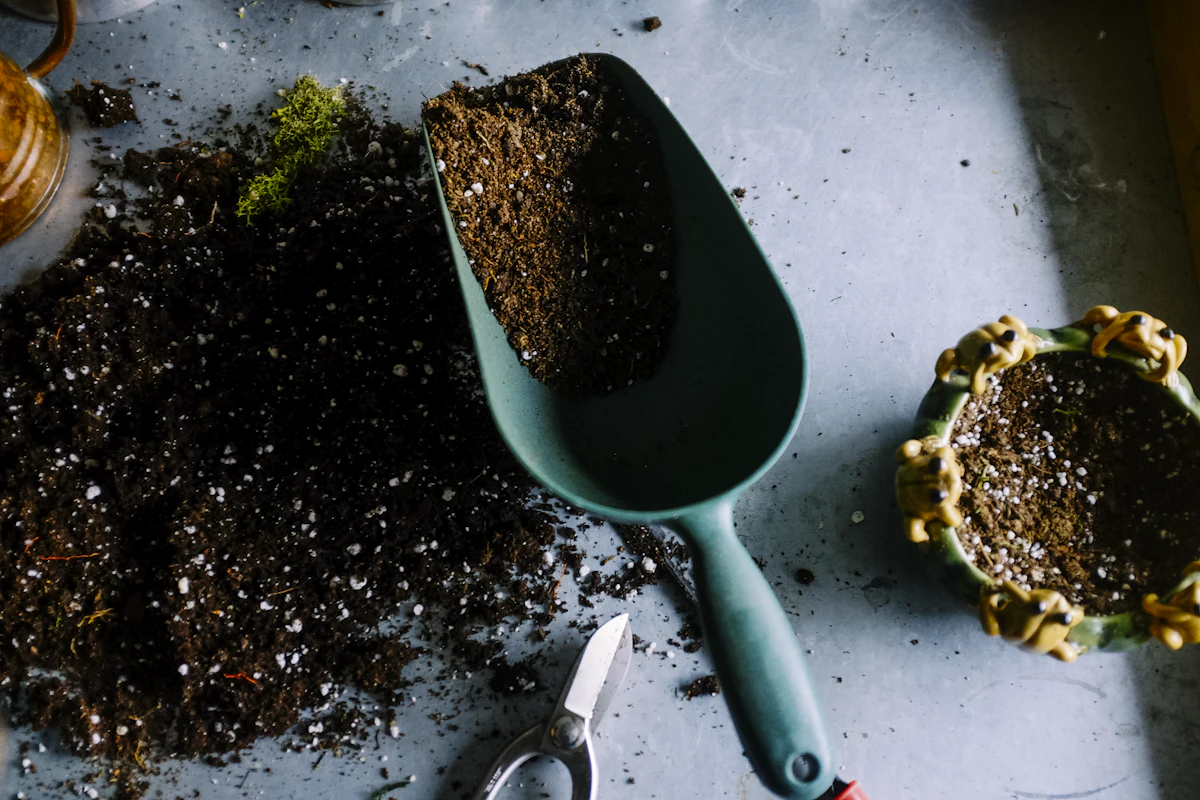
Gardening is a wonderful way to connect with nature, enjoy fresh air and transform your outdoor space. But for many people, long hours spent digging, weeding and carrying heavy pots can leave them with an aching back. If you love tending your garden but hate the stiffness afterwards, this guide will help you stay comfortable and enjoy every season without pain.
Why Gardening Can Hurt Your Back
It’s easy to underestimate just how much bending, twisting and lifting is involved in even simple gardening tasks. Here are a few reasons gardeners often experience back pain:
- Repetitive bending and stooping – planting and weeding require you to lean forward for extended periods, placing strain on the muscles supporting your spine.
- Heavy lifting – bags of soil, watering cans and large pots can be surprisingly heavy, especially if you lift them with your back instead of your legs.
- Twisting motions – reaching for tools or turning quickly while carrying items can cause small muscle strains.
- Awkward postures – working on the ground or in raised beds sometimes encourages you to crouch or overreach, which can irritate joints and soft tissues.
Tips for Gardening Pain-Free
The good news is there are plenty of ways to look after your back while still enjoying time outdoors. Try these simple tips:
- Warm up first
- Do a few gentle stretches before heading outside, focusing on your back, hips and shoulders. This gets your blood flowing and muscles ready for activity.
- Lift with your legs
- When picking up heavy items, bend your knees, keep your back straight and hold the object close to your body. If something feels too heavy, divide the load or ask for help.
- Use ergonomic tools
- Long-handled tools, kneeling pads and wheelbarrows reduce the need to bend and help you maintain good posture. Consider investing in lightweight equipment designed for comfort.
- Mix up your tasks
- Alternate between jobs that use different muscle groups. For example, spend 20 minutes planting, then switch to pruning or watering, rather than bending for an hour straight.
- Take regular breaks
- Stand up, stretch and walk around every 30 minutes to avoid stiffness. Short breaks give muscles a chance to rest and prevent strain from building up.
- Adjust your workspace
- Raise flower beds or use container gardens to minimise bending. A potting bench at waist height can make planting and transplanting much easier on your back.
Local Gardening in Kettering & Corby
Gardening is particularly popular here in Kettering and Corby. Local allotments, community gardens and home plots provide wonderful spaces for residents to grow vegetables, flowers and herbs. If you live in the area, keep in mind that the heavy clay soil common in Northamptonshire can be tricky to work with. Use mulch and compost to improve soil structure and consider raised beds or containers for easier maintenance.
When the weather turns cold or rainy, be mindful of slippery surfaces. Wear sturdy footwear and be extra careful when carrying tools or bags. Staying safe ensures you can enjoy your garden all year round.
How Osteopathy May Help Gardeners
Osteopaths work with the musculoskeletal system – the muscles, joints and tissues that support your body. If you’re experiencing persistent stiffness after gardening, osteopathy may help by:
- Using gentle hands-on techniques to ease muscle tension and improve joint mobility.
- Advising on posture and movement patterns to reduce strain while gardening.
- Suggesting targeted stretches and strengthening exercises tailored to your body and lifestyle.
Many people find that regular osteopathic care helps them stay active and comfortable while pursuing hobbies like gardening. Though osteopathy doesn’t claim to “cure” back pain, it may support your body’s natural ability to recover and move with ease.
When to Seek Advice
A little soreness after a weekend in the garden is normal, but persistent or severe back pain shouldn’t be ignored. If you experience any of the following, consider speaking to an osteopath or healthcare professional:
- Pain that doesn’t improve with rest or gentle stretching.
- Numbness, tingling or weakness in your legs.
- Pain that radiates from your back to your hip or down your leg.
Get Support from Taylor Osteopathy
At Taylor Osteopathy, we love helping local gardeners in Kettering and Corby stay active and pain-free. If gardening is causing you discomfort, get in touch to see how osteopathy may help. We’ll listen to your concerns, assess your movement and offer gentle treatment and advice to get you back in the garden with confidence.
Book an appointment today or call our friendly clinic for more information. Happy gardening!
Why Autumn Can Trigger Back Pain – and What You Can Do About It

As the leaves change colour and the temperature drops, many people look forward to cosy evenings and autumn walks. But for some, the colder months also bring an unwelcome visitor: back pain.
If you’ve noticed your aches and stiffness seem worse in autumn, you’re not alone. Let’s look at why this happens, and what simple steps may help you stay comfortable through the season.
Why Does the Change in Season Affect Our Bodies?
Many people report that their joints and muscles feel stiffer when the weather turns colder. While the exact reason isn’t fully understood, there are a few possible explanations:
- Temperature drop – Colder weather can make muscles tighten, which may contribute to aches.
- Lower activity levels – We tend to move less in autumn and winter, spending more time indoors. Less movement means joints and muscles don’t get the same circulation and flexibility.
- Weather pressure changes – Some people find their symptoms flare when the barometric pressure shifts before rain or cold spells.
Everyday Habits That Can Make It Worse
It’s not just the weather. Our routines also change in autumn, and that can affect our backs too:
- Longer hours sitting – Cosy evenings often mean more time on the sofa or at the desk.
- Seasonal chores – Raking leaves, lifting heavy bags of garden waste, or bending awkwardly can put strain on the spine.
- Colder mornings – Jumping out of bed and rushing without warming up can leave muscles tight and vulnerable.
Simple Tips to Help Manage Autumn Back Pain
The good news is there are many practical steps you can take to reduce the impact of autumn on your back:
- Keep moving – Even gentle activity like walking, stretching, or yoga helps keep muscles flexible.
- Stay warm – Dress in layers and use a hot water bottle or heating pad if you feel stiffness setting in.
- Watch your posture – Whether you’re at your desk or raking leaves, try to keep your back straight and avoid awkward twisting.
- Lift carefully – Bend your knees, not your back, and avoid carrying too much at once.
- Listen to your body – If something feels uncomfortable, it’s often better to stop and adjust rather than push through.
How Osteopathy May Help
Osteopathy focuses on the body’s musculoskeletal system – the joints, muscles and tissues that help us move. Many people visit osteopaths for support with aches, stiffness, or minor injuries, particularly when these affect everyday life.
An osteopath may use gentle hands-on techniques to:
- Help relieve tension in the muscles.
- Improve mobility in the joints.
- Support better posture and movement patterns.
While osteopathy does not claim to “cure” conditions, many patients find it a helpful way to manage symptoms and feel more comfortable.
Local Support in Kettering & Corby
If you’re in the Kettering or Corby area and find that your back pain tends to flare up in autumn, you don’t have to just put up with it. At Taylor Osteopathy, we see many patients each year who want to stay active and comfortable through the colder months.
Booking an appointment is simple, and we’re always happy to chat through your concerns in a friendly, approachable way.
In Summary
Autumn can be a beautiful season – but it doesn’t need to be the season of back pain. By keeping active, staying warm, and paying attention to your posture, you can give your body the best chance of staying comfortable. And if you’d like extra support, osteopathy may be one option to consider.
Inflammation. A tasty rehab soup?
Ice or heat therapy for pain, which should you use? I explain it like this…It’s a soup!

For this recipe you will need:
One piece of soft tissue (muscle, tendon, ligament)
1tsp – Prostaglandin D2
1tsp – prostaglandin E2
½ tsp- prostaglandin F2
½ tsp – prostaglandin I2 (which is also known as prostacyclin)
1tbsp – thromboxane
5ml – Bradykinin
Pinch of histamine to flavour
Method:
- Place the soft tissue in a vulnerable or weakened position. Repeatedly perform a strenuous activity until there is some discomfort. If you prefer to have the tissue already prepared, it may be called injured.
- Mix the remaining ingredients together in a bowl to create inflammation.
- Place the soft tissue on a surface and insert some of the inflammation into the tissue and rub the remainder over the surface.
- Leave to rest overnight, or until you feel; an ache, throbbing, warmth or redness to the tissue, sharp pain when moving.
The result, a delicious inflammatory soup!
Do I treat my injury with ice or heat then?
This is how I explain inflammation to my patients. It begins to make sense when it is broken down into smaller parts. Inflammation is not just one substance.

It is a mixture of many hormones (hormones are chemical messengers that travel through the bloodstream to create a change elsewhere).
In an acute injury the cells surrounding the injured body part release inflammation. The role of each inflammatory hormone is slightly different, but they all in the aid of helping the injured tissue to heal faster.
Some inflammatory hormones interact with blood vessel walls to relax them (vasodilation). This allows more blood flow to the injured tissue which brings with it the healing properties it needs to recover. Other hormones interact with the nerve endings, sending signals to the brain, effectively telling you stop doing what you are doing, or you will damage yourself further. This is a good thing. This signal is called pain.
The idea behind applying heat to an injury is that it vascularises the area. It promotes blood flow to the injured tissue. Helping spasmed or tight muscles to relax, or injured tissue to heal, faster.
This is not to say that only heat should be used. Sometimes injuries are just too painful to deal with.
Discomfort can make it difficult to concentrate on tasks and can also make you partially or completely immobile. Here, ice can help. In this instance, the cold can reduce the inflammation being produced so there is less pain. The outcome of this is that you may be able to concentrate on a task or move more freely which has the effect of relaxing muscles and improving blood flow… But only if you move! Be warned though, this will also increase your healing time, so there is a trade of sorts to be had.
Of course, all of the above assumes the individual has no underlying health concerns such as chronic inflammation or any inflammatory disease.

Recent Comments